
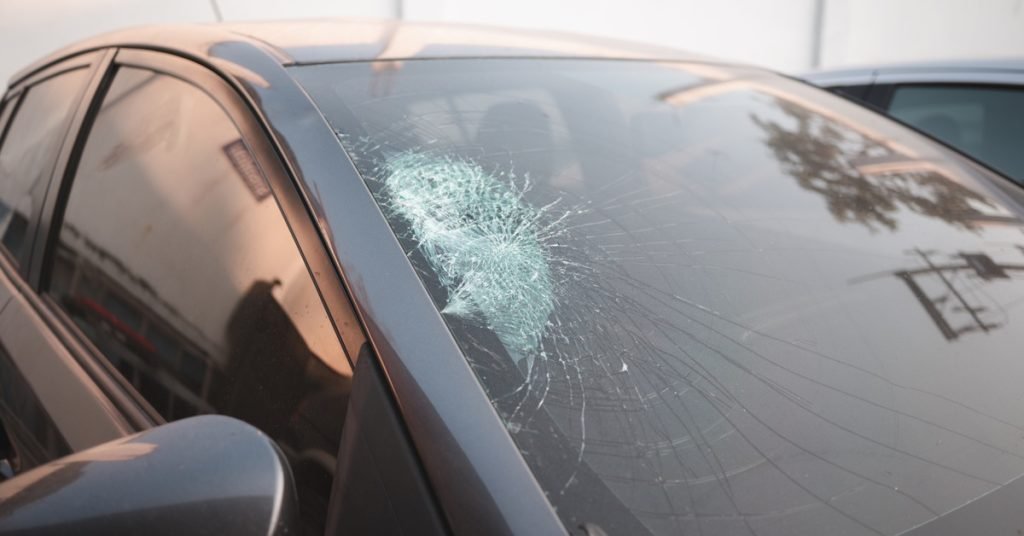
How to Stop a Windshield Crack from Spreading Before It Gets Worse
A crack does not need much help to grow. A warm afternoon, a door closing firmly, a stretch of uneven road. Any of those can push it further along without warning.
What catches people off guard is the speed. The crack looked manageable in the morning. By the time they got home, it had moved. That kind of jump happens more than people realize, and it usually comes down to pressure and heat working on glass that already has a weak point.
If you are asking how you can stop a crack in your windshield, the short version is that you can slow it down but not freeze it permanently without addressing the damage itself.
Why Cracks Keep Moving
Glass holds tension inside it all the time. A windshield sits under pressure from the frame, from flexing while you drive, and from temperature changes happening around it constantly.
When a crack forms, it creates a path where that tension releases. The problem is that releasing tension in one spot shifts stress to the edges of the crack. Those edges become the next weak point. That is how a windshield crack getting bigger happens without anything dramatic causing it.
It is not always a single event that extends a crack. Most of the time it is just the glass doing what glass does when the structure gets interrupted.
What Actually Slows It Down
Keeping the glass at a steady temperature helps more than most people think. Not cold, not hot. Just consistent. Big swings are what push a crack forward. Parking in shade on a hot day removes one of the biggest triggers.
Moisture getting inside the crack is the other problem worth paying attention to. Water works into the damaged area and weakens the bond between glass layers. Once that happens, the crack moves more freely. Keeping the glass dry and out of heavy rain buys time before a proper fix.
Those two things, steady temperature and keeping moisture out, are genuinely useful for slowing how fast a windshield crack spreads. They do not fix anything. They just reduce the pressure on glass that is already compromised.
The Moment People Usually Miss
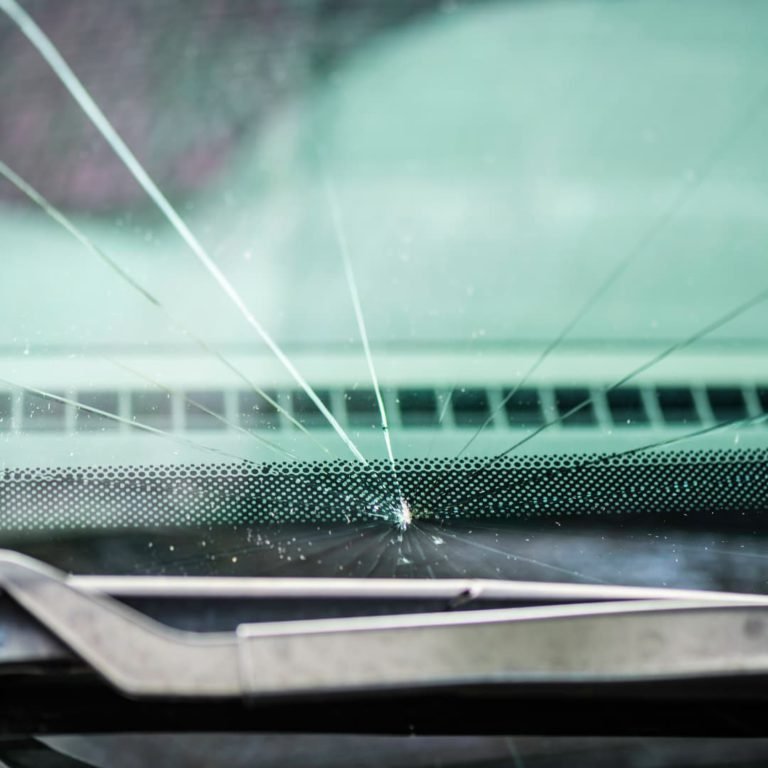
Most cracks have a window early on where the damage stays contained enough for a clean repair. The glass still has good structure around the crack. The edges have not shifted too far. Resin fills the gap and the problem closes properly.
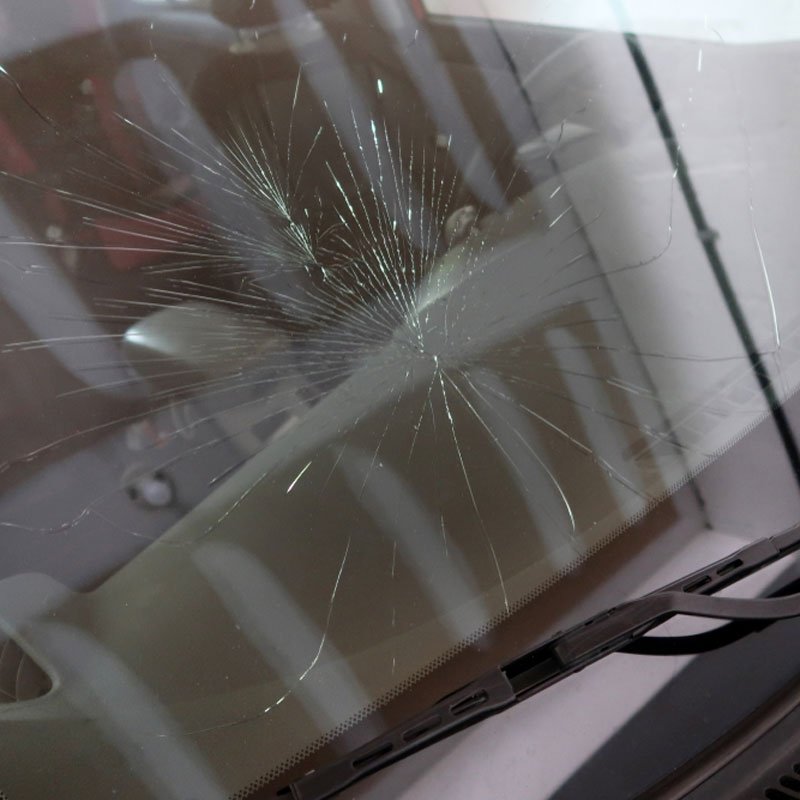
That window does not stay open long. Rain gets in. The crack stretches across more of the glass. It reaches the edge where the frame puts constant stress on it. Each of those things narrows what repair can actually do.
People who wonder how to stop a windshield crack from running usually ask after it has already covered ground. The better question is what to do the same day you notice it.
When Slowing It Down Is No Longer Enough
There is a point where the crack has moved far enough that no amount of careful parking changes the outcome. Once it runs into your sightline, touches the edge of the glass, or splits into multiple directions, the situation has moved past what a repair addresses well.
Understanding how to prevent a windshield from cracking further in those cases is really a question about replacement timing rather than damage management. Repair works on damage that is still contained. Replacement handles the rest.
A shop can tell you in a few minutes which side of that line your crack sits on. Lamar Auto Glass does that kind of assessment without pushing you toward the more expensive option if repair is still on the table.
The Part That Surprises Most People
Thinking about how you can stop a windshield crack from spreading leads most people to look for a product or a trick. The real answer is less about intervention and more about not giving the crack the conditions it needs to move.
Less heat stress, less moisture, less vibration where possible, and less time before someone looks at it properly. None of that is dramatic. It just requires treating a small crack as something that needs attention now rather than later.
Rarely. Glass under constant pressure from driving and temperature changes keeps working on the weak point a crack creates. Without addressing the damage, it usually keeps moving.
Temperature drops at night cause glass to contract. That contraction pulls at the edges of a crack. A significant overnight drop is one of the fastest ways a contained crack turns into a long one.
Keep the car out of direct heat when possible and avoid driving through heavy rain with an open crack. Neither stops the damage but both reduce what speeds it up.
Length, location, and moisture exposure are the main things. A crack that has not reached the edge, stays outside the sightline, and has not been sitting in rain for days usually still has repair options worth exploring.