Car Window Tinting Service for UV Protection and Heat Control
Sitting in a hot car on a summer afternoon is something almost every driver knows too well. The heat builds fast, glare hits your eyes, and your leather seats take a beating from the sun. A professional car window tinting service changes all of that. It is one of the smartest upgrades you can make for comfort, safety, and vehicle protection.
Lamar Auto Glass offers expert tinting solutions designed to block heat, filter harmful rays, and give your vehicle a cleaner look. Whether you want UV protection glass films, privacy tinting, or ceramic options, the right film makes a real difference every single day.
What is Car Window Tinting Service
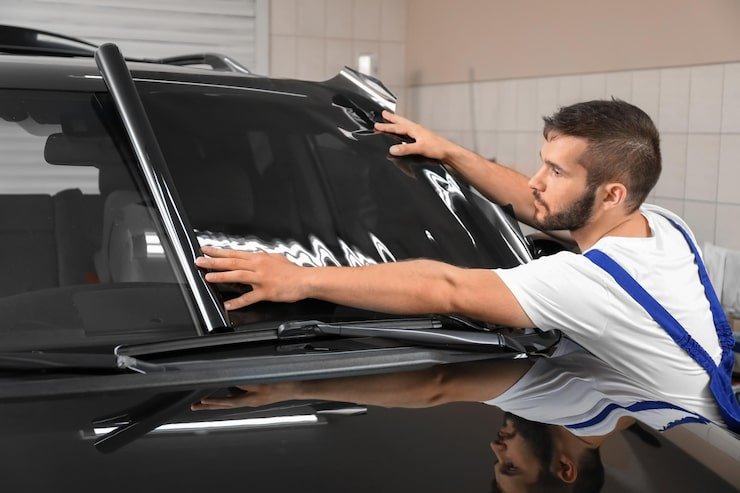
Car window tinting is the process of applying a thin film to your vehicle’s glass. This film sits on the inside surface of the window. It filters light, reduces heat, and blocks UV radiation from entering the cabin.
However, not all tint films are equal. Some are basic and affordable. Others use advanced technology to deliver better performance with less visible darkness. Knowing the difference helps you choose what actually fits your needs.
Types of Window Tint Films
There are several main types available today:
- Dyed film: The most affordable option, good for basic heat and glare reduction
- Metalized film: Uses tiny metal particles to reflect heat and improve durability
- Carbon film: Blocks infrared heat without the shine of metalized film
- Ceramic film: The highest-performing option, offering superior heat and UV rejection
- Privacy film: Darker shades that limit visibility into the car from the outside
Each film type suits different budgets and goals. Therefore, speaking with a professional before choosing helps you avoid expensive mistakes.
How Tinting Works
The film bonds to the inside of your glass using a special adhesive. It acts as a barrier between sunlight and your cabin. Also, quality films include multiple layers that each serve a different function, from UV blocking to scratch resistance.
Installation requires clean glass, precise cutting, and careful application. A single air bubble or uneven edge can ruin the result. This is why professional installation matters more than most people realise.
Benefits of UV Protection Glass Films
UV rays are invisible, but their damage is not. Over time, they fade your dashboard, crack your leather seats, and even affect your skin during long drives. UV protection glass films block up to 99 percent of these rays before they enter your car.
Heat Reduction
Direct sunlight can push the temperature inside a parked car to dangerous levels. Even while driving, constant heat buildup forces your air conditioning to work harder. As a result, fuel consumption rises and your AC system wears out faster.
Window films with heat rejection properties cut solar energy significantly. In practical terms, your car stays cooler longer and your AC keeps up without running at full blast constantly.
Interior Protection
Your seats, dashboard, and door panels absorb sunlight every day. Without protection, materials fade and crack within a few years. UV films act as a shield between sunlight and your interior surfaces.
For car owners who take care of their vehicles, this is not a small thing. Also, protecting your interior helps maintain resale value over time.
Driving Comfort
Glare from the sun or oncoming headlights is genuinely dangerous. It forces you to squint, reduces reaction time, and creates unnecessary fatigue. Tinted windows reduce this glare without blocking your vision entirely.
In addition, blocking heat means the steering wheel and seat surfaces stay at a manageable temperature. That might sound minor, but it changes how you feel after a long drive.
Heat Rejection Window Tints Explained
Not every tint film is built to handle heat equally. Heat rejection window tints are engineered specifically to stop solar energy before it warms up your car interior.
How Heat Rejection Works
Solar energy arrives as visible light, infrared radiation, and UV rays. Visible light you can see. Infrared radiation is what makes things feel hot. Heat rejection films are designed to block infrared waves while still allowing light through.
Therefore, your car can feel cooler even without a heavily dark tint. This is especially useful for drivers who want comfort without losing visibility or dealing with legal tint restrictions.
Why It Matters in Daily Driving
Think about parking your car outside during a working day. By afternoon, the interior is like an oven. Heat rejection tints cut that buildup significantly. When you get back in, the temperature difference is something you notice immediately.
Also, for families with children or pets, keeping the cabin cooler during transit is a genuine safety consideration. It is not just about comfort.
High Quality Privacy Film Installation for Car Windows
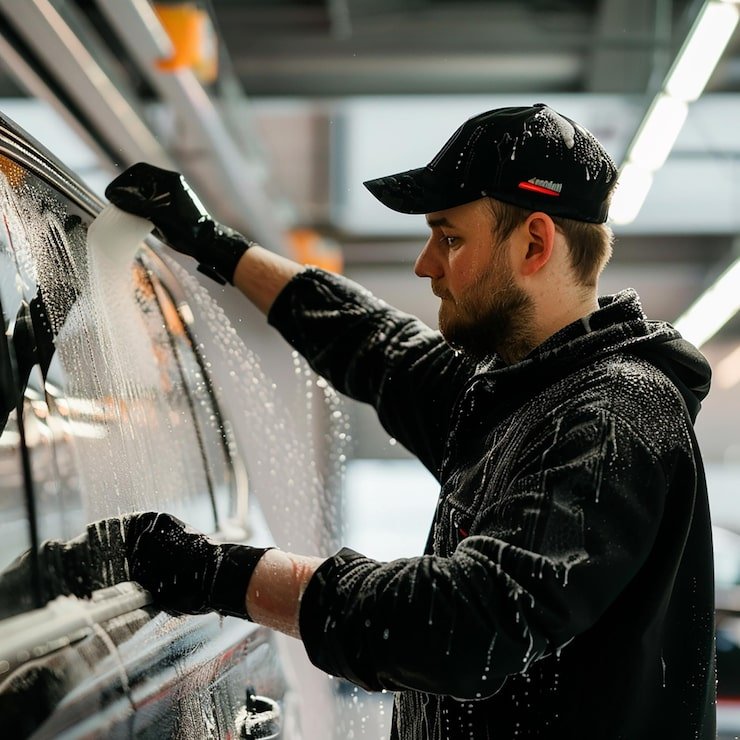
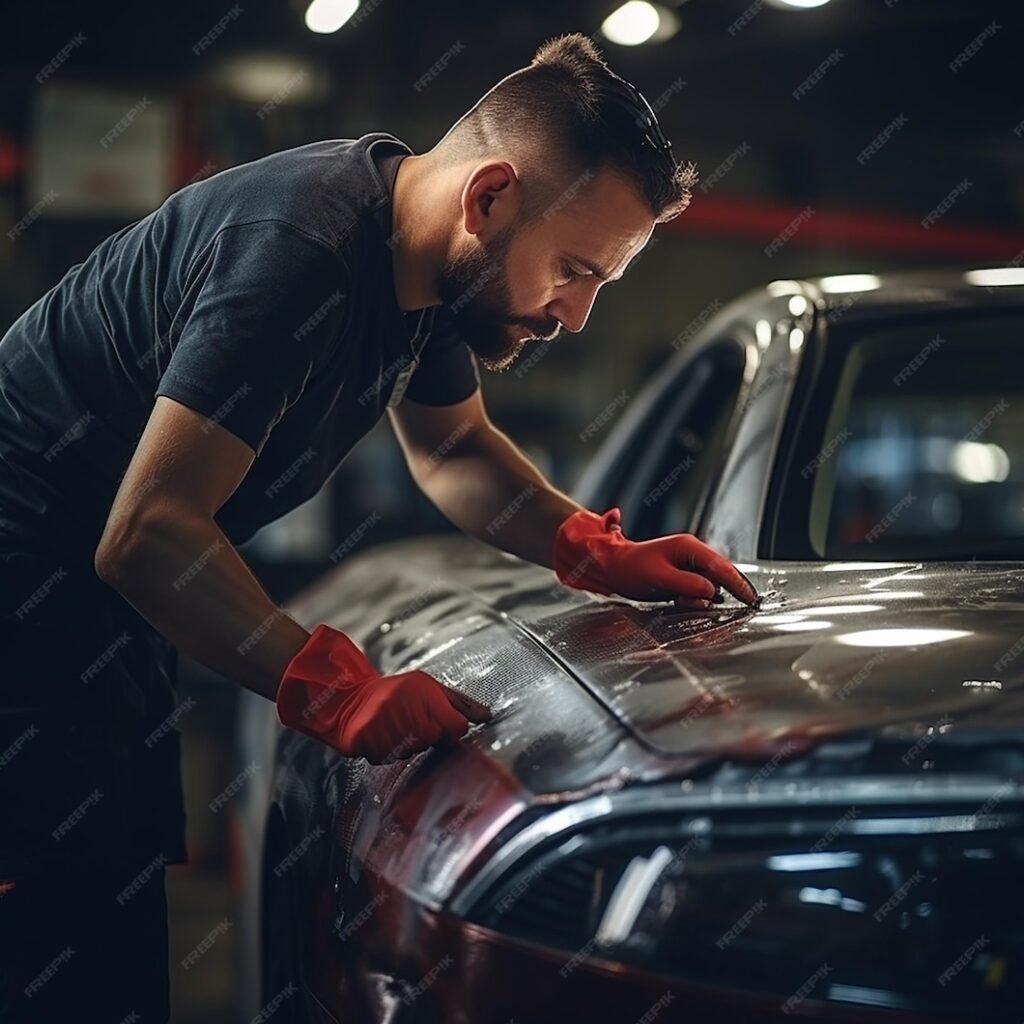
High quality privacy film installation for car windows goes beyond just making glass look darker. It is about giving you real security and peace of mind every time you park or drive.
Privacy Benefits
Privacy tint limits what people can see from outside your car. This is important for protecting valuables left on your seats, keeping personal items out of sight, and generally feeling more comfortable in traffic or at red lights.
However, privacy film still allows clear visibility from the inside out. You can see other cars and road conditions without difficulty. The one-way effect works because of the contrast between light levels.
Safety Advantages
Beyond privacy, window film adds a layer of structural protection to your glass. In an accident, shattered glass becomes dangerous. Film holds broken pieces together, reducing the risk of glass injuries inside the cabin.
In addition, privacy tinting makes it harder for would-be thieves to see what is inside your vehicle. Therefore, it works as a passive deterrent without any extra effort on your part.
Ceramic Window Tinting for Superior Heat and UV Shield
Ceramic window tinting for superior heat and UV shield is the premium choice among all film options. It uses non-metallic ceramic particles embedded within the film to achieve results that other technologies simply cannot match.
Why Ceramic Tint is Better
Most standard films use dye or metal layers to block heat and light. Ceramic films work differently. They reject heat without the reflective shine of metalised films, and they do not interfere with phone signals, GPS, or radio reception.
Also, ceramic tint maintains true colour accuracy through the glass. What you see through a ceramic-tinted window looks natural, not distorted or greenish like some older film types.
Long Term Performance
Ceramic films are known for lasting significantly longer than dyed alternatives. They resist fading, bubbling, and peeling even in extreme heat conditions. Therefore, while the upfront cost is higher, the long-term value is hard to argue with.
For drivers who keep their vehicles for many years, ceramic tinting is an investment that holds up. In addition, many ceramic products come with manufacturer warranties that cover performance over time.
Car Window Tinting vs No Tint Comparison
Here is a clear breakdown of what you gain by choosing window tinting:
Feature | With Window Tint | Without Window Tint |
UV Ray Blocking | Up to 99% blocked | No protection |
Heat Inside Car | Significantly reduced | Full heat enters |
Interior Fading | Fabric and dash protected | Fades over time |
Driving Glare | Noticeably reduced | Full glare exposure |
Privacy Level | High from outside | Fully visible inside |
Fuel Efficiency | AC runs less, saves fuel | AC works harder |
Glass Safety | Film holds shards together | Glass shatters freely |
The difference becomes obvious quickly. However, the biggest gains come from choosing the right film type for your climate and driving habits.
How to Choose the Right Window Tint
Choosing the right tint starts with understanding what you want most. Ask yourself a few practical questions before deciding:
- Is heat the main problem, or is it privacy you need most?
- What is your budget for film and installation?
- Do you drive in a region with strict tint laws that limit darkness?
- How long do you plan to keep this vehicle?
- Are you worried about signal interference from metalised films?
For most drivers in hot climates, a carbon or ceramic film offers the best balance of performance and visibility. Also, always check local tinting regulations before committing to a shade level. Breaking the rules can cost more than the tint itself.
In addition, ask your installer about warranty coverage and whether the film is tested for UV rejection. Some cheap films offer very little real protection despite looking dark.
Why Choose Lamar Auto Glass
Lamar Auto Glass has built a reputation on doing the job right the first time. The team understands that a tint installation is only as good as the hands doing it. Rushed work shows up as bubbles, uneven edges, and peeling within months.
At Lamar, every installation uses professional-grade films from trusted manufacturers. Also, the service covers a full range of options from basic dyed film to premium ceramic tinting. Pricing is clear, with no surprise charges after the job is done.
The team also takes time to explain which film suits your vehicle and usage before starting. This is not a one-size-fits-all business. Each customer gets a recommendation based on their actual needs and local weather conditions.
Visit lamarautoglass.com to learn more or to book your appointment today.
Conclusion
A car window tinting service is one of those upgrades that pays for itself in comfort, protection, and long-term vehicle care. Whether you start with UV protection glass films, move up to heat rejection window tints, or go straight for ceramic window tinting for superior heat and UV shield, the results are real and immediate.
High quality privacy film installation for car windows also adds a layer of security that passive measures rarely deliver. Therefore, if you have been thinking about tinting your vehicle, the best time to act is before the next hot season arrives.
Lamar Auto Glass is ready to help you choose, install, and maintain the right film for your vehicle. Reach out today and drive cooler tomorrow.
Frequently Asked Questions
Most tinting jobs take between two and four hours depending on how many windows need film. Larger vehicles or jobs requiring removal of old film take longer. However, same-day service is usually available. After installation, it is best to avoid rolling down windows for at least two to three days so the adhesive bonds fully to the glass.
Quality UV protection glass films are designed to reduce glare and filter harmful rays without blocking your view. Light transmission levels stay within safe driving limits. Also, modern films maintain natural colour accuracy through the glass. Therefore, visibility actually improves for most drivers because glare and eye strain are reduced significantly during daytime driving.
Tint laws vary by region and typically set limits on how dark front side windows and the windshield can be. Rear windows often have more flexibility. However, it is important to check your local regulations before installation. A good installer will know the legal limits for your area and recommend films that meet those requirements without sacrificing performance.
Ceramic window tinting uses ceramic particles instead of dye or metal to block heat and UV rays. As a result, it performs better in heat rejection without causing signal interference with phones or GPS devices. Also, ceramic film lasts longer, resists fading, and looks cleaner over time. It costs more upfront but delivers noticeably better long-term value than standard options.
Standard dyed and carbon films do not affect GPS or mobile signals at all. Metalised films can sometimes interfere with signals because of the metal layer inside the film. However, high quality privacy film installation using ceramic or carbon-based products avoids this issue entirely. Therefore, if signal performance matters to you, ceramic or carbon film is the right choice.